
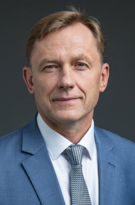
Šarūnas Birutis yra Lietuvos politikas, turintis ilgą karjerą kultūros, ekonomikos ir politikos srityse. Gimė 1961 m. Šiaulių rajone. Baigė Vilniaus universitetą ir Lietuvos teisės universitetą (dabar Mykolo Romerio universitetas). Dirbo įvairiose valstybinėse ir privačiose institucijose, buvo Europos Parlamento narys, Lietuvos Respublikos Seimo narys, Kultūros ministras Algirdo Butkevičiaus ir Gintauto Palucko Vyriausybėse. Buvo Darbo partijos narys, vėliau prisijungė prie Lietuvos socialdemokratų partijos. Yra buvęs Vilniaus ir Švenčionių savivaldybių tarybų narys.
„Birùtis Šarūnas 1961 09 20 Šiauliai, Lietuvos politikas.“
Santrauka (angl.) Šarūnas Birutis was born in the city of Šiauliai on 20 September 1961.
„Gimimo data 1961 m. rugsėjo 20 d. Gimimo vieta Šiaulių r., Lietuva“
Santrauka (angl.) Šarūnas Birutis was born on 1961-09-20 in Šiaulių district, Lithuania.
„Kalbos: anglų, rusų, lenkų“
Santrauka (angl.) He speaks English, Russian and Polish.
„Šeima: Vedęs, vienas vaikas“
Santrauka (angl.) He is married and has one child.
„2003 – Lietuvos teisės universitetą (teisės magistras)“
Santrauka (angl.) He earned a Master’s degree in Law in 2003 from the Lithuanian Law University (now Mykolas Romeris University).
„1984 baigė Vilniaus universitetą (pramonės ekonomiką)“
Santrauka (angl.) In 1984 he graduated from Vilnius University with a degree in industrial economics.
„Teisingumo Teismo teisėjo bazinio atlyginimo. **2025 m. EP narių atlyginimas neatskaičius mokesčių buvo 11 255,26 EUR. Atlyginimas... atskaičius ES mokestį bei draudimo įmokas siekia 8 772,70 EUR per mėnesį.** (Europarl)“
Santrauka (angl.) As a Member of the European Parliament, he was entitled to the standard MEP salary. In 2025, an MEP’s gross monthly pay is €11,255 (about €8,772 per month after EU taxes), whereas during Birutis’s 2004–2009 term the remuneration was somewhat lower (the uniform salary statute took effect in mid-2009).
„2017–19 viešosios įstaigos Europos kryptis vadovas“
Santrauka (angl.) From 2017 to 2019 he headed a public institution called "Europos kryptis."
„2003–2004 Valstybinė lošimų priežiūros komisija, Ministro Pirmininko skirtas narys“
Santrauka (angl.) In 2003–2004 he was a member of the State Gaming Control Commission, appointed by the Prime Minister.
„1999–2002 Ūkio ministerija, Smulkaus ir vidutinio verslo skyrius, įkūrėjas ir vadovas“
Santrauka (angl.) He founded and led the Small and Medium Business Division at the Ministry of Economy from 1999 to 2002.
„1993–1999 UAB „Mono-turizmas“ (viešbutis „Nidos auksinės kopos“), direktorius“
Santrauka (angl.) From 1993 to 1999 he served as director of UAB "Mono-turizmas", which operated the “Nidos auksinės kopos” hotel.
„1989–1991 Lietuvos rašytojų sąjungos leidykla, direktorius“
Santrauka (angl.) He was the director of the Lithuanian Writers’ Union Publishing House from 1989 to 1991.
„1988–1992 Turizmo firma „Taika“, direktorius“
Santrauka (angl.) He was director of the tourism firm "Taika" from 1988 to 1992.
„1984–1986 Kauno termofikacinė elektrinė, Ekonomikos planavimo skyrius, viršininko pavaduotojas“
Santrauka (angl.) From 1984 to 1986 he was Deputy Head of the Economic Planning Department at the Kaunas Thermal Power Plant.
„1982–1984 Valstybinis akademinis dramos teatras, Ūkio skyrius, operatorius“
Santrauka (angl.) From 1982 to 1984 he worked as an operator in the Economic Department of the National Academic Drama Theatre.
„ministras Š. Birutis akcentavo Lietuvos kultūros kanono idėją ir jos įgyvendinimą. Savo pranešime kultūros ministras teigė, kad tai būtų oficialus, nuolat atnaujinamas svarbiausių Lietuvos kultūros kūrinių, asmenybių ir reiškinių sąvadas, kuris taptų tvirtu atspirties tašku kultūros politikai ir švietimo sistemai“
Santrauka (angl.) In June 2025, Birutis proposed establishing a national “Lithuanian Cultural Canon” – an official, continuously updated compendium of the country’s most important cultural works, figures, and cultural phenomena – as a firm foundation for cultural policy and the education system.
„2024 12 12–2025 09 25 – Gintauto Palucko vadovaujamos Vyriausybės kultūros ministras“
Santrauka (angl.) Birutis served as Minister of Culture in Prime Minister Gintautas Paluckas’s government from 12 December 2024 until 25 September 2025.
„Lietuvos socialdemokratų partijos frakcija… Šarūnas Birutis… Seimo narys nuo 2024-11-14“
Santrauka (angl.) In 2024, Birutis returned as a Member of the Seimas and joined the Social Democratic Party’s parliamentary group.
„2023–2024 Švenčionių rj. savivaldybės tarybos narys“
Santrauka (angl.) He was a member of the Švenčionys District Municipal Council in 2023–2024.
„Nuo 2022 Lietuvos socialdemokratų partijos, jos Tarybos narys“
Santrauka (angl.) He joined the Lithuanian Social Democratic Party in 2022 and became a member of its Council.
„2017–18 laikinasis partijos pirmininkas“
Santrauka (angl.) He served as the acting chairman of the Labour Party in 2017–2018.
„2012–16 Lietuvos Respublikos Seimo, jo Darbo partijos frakcijos narys“
Santrauka (angl.) He served as a Member of the Seimas from 2012 to 2016 (11th Seimas).
„2012–16 Algirdo Butkevičiaus vadovaujamos Vyriausybės kultūros ministras“
Santrauka (angl.) He was Minister of Culture in Algirdas Butkevičius’s government from 2012 until 2016.
„2011–12 Vilniaus miesto savivaldybės tarybos narys“
Santrauka (angl.) He was a member of Vilnius City Municipal Council from 2011 to 2012.
„2004–2009 Europos Parlamento narys“
Santrauka (angl.) Birutis was a Member of the European Parliament from 2004 to 2009.
„2003–19 Darbo partijos narys“
Santrauka (angl.) Šarūnas Birutis was a member of the Labour Party (Darbo partija) from 2003 to 2019.
„Švietimo, mokslo ir kultūros komitetas, Komiteto narys (2013-10-22–2016-11-14)“
Santrauka (angl.) He was a member of the Seimas Committee on Education, Science and Culture from 2013 to 2016.
„Užsienio reikalų komitetas, Komiteto narys ( 2012-11-20–2013-01-16 )“
Santrauka (angl.) In the Seimas, he also briefly served as a member of the Foreign Affairs Committee in 2012–2013.
„Sekmadienį vykusiame antrajame Seimo rinkimų ture Nalšios pietinėje apygardoje pergalę šventė Lietuvos socialdemokratų partijos atstovas Šarūnas Birutis. **Jis surinko 56,36 proc. rinkėjų balsų ir aplenkė savo oponentą, partijos „Laisvė ir teisingumas“ atstovą Eriką Demidovą, kuris pelnė 43,64 proc. balsų.** (Etaplius)“
Santrauka (angl.) In the 2024 Seimas elections (runoff held on 27 October 2024), Birutis defeated Freedom and Justice candidate Erikas Demidovas in the Nalšios pietinė constituency, securing 56.36% of the vote to Demidovas’s 43.64%.
„2024–2028 m. kadencija… Seimo narys nuo 2024-11-14… Iškėlė: Lietuvos socialdemokratų partija… Išrinktas: Nalšios pietinė (Nr. 53) apygardoje“
Santrauka (angl.) He was elected to the Seimas again in 2024 (took office on 14 November 2024) representing the Nalšios pietinė constituency as a Social Democrat.
„52. Nalšios šiaurinė | Jevgenij Šuklin | LRLS | 50% **53. Nalšios pietinė | Šarūnas Birutis | LSDP | 55%** 54. Marijampolės | Karolis Podolskis | LSDP | 55%“
Santrauka (angl.) Due to electoral boundary changes, his former Ignalina–Švenčionys district was reorganized into the new Nalšios pietinė constituency by 2024. Birutis ran there as a Social Democrat and won the seat in 2024 with roughly 55% of the vote in the runoff, a similar majority to his 2012 victory.
„52. Nalšios šiaurinė | Jevgenij Šuklin | LRLS | 50% **53. Nalšios pietinė | Šarūnas Birutis | LSDP | 55%** 54. Marijampolės | Karolis Podolskis | LSDP | 55%“
Santrauka (angl.) In the 2024 parliamentary elections, Birutis was re-elected to the Seimas in the Nalšios pietinė single-member constituency, winning roughly 55% of the vote in the runoff round.
„Rimantas KLIPČIUS – 6790 balsų (60,11%); Šarūnas BIRUTIS – 2582 balsai (22,86%)“
Santrauka (angl.) He ran for Mayor of Švenčionys District Municipality in 2023, placing second with about 23% of the vote and losing to Rimantas Klipčius in the first round.
„2023 m. KANDIDATAVO Į MERUS… Lietuvos socialdemokratų partija… Švenčionių rajono savivaldybė“
Santrauka (angl.) In 2023 he ran as the Social Democratic candidate for Mayor of Švenčionys District Municipality.
„53. Nalšios pietinė – **LVŽS kandidatas Gintautas Kindurys – 18,89%**; **LSDP kandidatas Šarūnas Birutis – 18,05%**. (Jiedu pateko į antrąjį turą; Kindurys laimėjo, Birutis liko antras.)“
Santrauka (angl.) In the 2020 Seimas elections, Birutis (as an LSDP candidate) advanced to the runoff in the Nalšios pietinė constituency but lost to LVŽS candidate Gintautas Kindurys.
„2016 m. etikos sargai... Kurį laiką buvęs atsitraukęs nuo politikos Š. Birutis pranešė dalyvausiąs 2020 m. Seimo rinkimuose su Lietuvos žaliųjų partija“
Santrauka (angl.) After a pause in politics, Birutis announced he would run in the 2020 Seimas elections with the Lithuanian Green Party.
„53. Nalšios | Gintautas KINDURYS (Lietuvos valstiečių ir žaliųjų sąjunga) – 27,90/66,24% **Vytautas VAITKEVIČIUS (Lietuvos laisvės sąjunga (liberalai)) – 13,90/31,53%**“
Santrauka (angl.) Birutis did not win re-election in 2016 – he failed to advance to the runoff in the newly formed Nalšios constituency. The top two candidates there were Gintautas Kindurys of LVŽS (who won with ~66% in the second round) and Vytautas Vaitkevičius of the Liberal Movement (~32%).
„Šarūnas BIRUTIS | Darbo partija | 6043 |... | 55,74% **Vilius CIBULSKAS | Lietuvos socialdemokratų partija | 4798 |... | 44,26%** (Iš viso:... 100%)“
Santrauka (angl.) In that 2012 runoff, Birutis received 6043 votes (55.74%) against 4798 votes (44.26%) for his opponent Vilius Cibulskas.
„Seimo narys nuo 2012-11-16 iki 2016-11-14. Išrinktas Ignalinos - Švenčionių (Nr. 53) apygardoje, iškėlė Darbo partija“
Santrauka (angl.) He was elected to the Seimas in 2012, representing the Ignalina–Švenčionys single-member constituency as a Labour Party candidate.
„53. Ignalinos-Švenčionių | Šarūnas Birutis (DP) – 55,74% | Vilius Cibulskas (LSDP) )“
Santrauka (angl.) In the 2012 parliamentary elections, Birutis won the Ignalina–Švenčionys single-member constituency with 55.74% of the vote in the second round.
„53. Ignalinos-Švenčionių | Šarūnas Birutis (DP) – 55,74% | Vilius Cibulskas (LSDP) )“
Santrauka (angl.) In the 2012 parliamentary elections, Birutis won the Ignalina–Švenčionys single-member constituency with 55.74% of the vote in the second round, defeating Social Democrat Vilius Cibulskas.
„Š. Birutis savo deklaracijoje nurodė turėjęs **11,5 tūkst. eurų vertės butų, 46 tūkst. eurų vertės gyvenamųjų namų, 552 tūkst. eurų vertės kitų statinių**, 9,6 tūkst. eurų vertės žemės sklypų… Jam priklausė **281 tūkst. eurų vertės akcijų**, 70 tūkst. eurų kitų vertybinių popierių… ministro sąskaitose kredito įstaigose Lietuvoje buvo **143 tūkst. eurų**… **Š. Birutis turi akcijų įmonėse „Agrolit“, „Landborgir“, „Lietuvos rytas“ ir „Vilniaus Koti“.** Š. Biručio sutuoktinė Rasa deklaravo 95 tūkst. eurų vertės butų… **528 tūkst. eurų vertės kitų statinių**… Jos sąskaitose Lietuvoje buvo **242 tūkst. eurų**, o paskolos siekė **250 tūkst. eurų.**“
Santrauka (angl.) As of 2024, Birutis’s declared assets included €552k worth of buildings, €281k in shares (he holds stakes in companies such as Agrolit, Landborgir, the media company “Lietuvos rytas”, and Vilniaus Koti), about €143k in Lithuanian bank accounts, and various other assets. His wife Rasa had significant real estate holdings (~€528k in other buildings) and about €242k in savings (though also €250k in liabilities).
„Valstybinė mokesčių inspekcija (VMI) paskelbė... 2024 m. deklaruoto turto... duomenis. Ministrų kabinete turtingiausias asmuo yra premjeras Gintautas Paluckas, jo valdomas turtas siekia beveik 2,2 mln. Eur. **Antrasis ministrų kabineto milijonierius – kultūros ministras Šarūnas Birutis. Jo turimas turtas siekia 1,146 mln. Eur.** (VŽ)“
Santrauka (angl.) By 2024, Birutis’s declared assets had decreased to about €1.146 million, still making him the second-richest minister in Prime Minister Gintautas Paluckas’s Cabinet. This was roughly a 30% drop from his net worth a decade earlier (which was around €1.59 million in 2014–2015).
„Kultūros ministro šeimos santaupos siekia 207 tūkst. eurų. **Dar 792 tūkst. eurų ministras yra paskolinęs.** … **jo paskolos sudarė 231 tūkst. eurų.**“
Santrauka (angl.) By 2015, Birutis had loaned out a substantial sum (about €792,000) from his assets, largely to fund business ventures. By 2024, the amount of outstanding loans on his declaration had dropped to €231,000, indicating that these earlier investments (e.g., his Bulgarian project) had been wound down or partially recovered.
„VMI pateiktoje pernai metų turto deklaracijoje „darbiečio“ Š.Biručio šeimos turtas siekia beveik 1,51 mln. eurų… **Antrasis ministrų kabineto milijonierius – kultūros ministras Šarūnas Birutis. Jo turimas turtas siekia 1,146 mln. Eur.** … **Bendras Biručių turtas pernai sudarė 2,115 mln. eurų.**“
Santrauka (angl.) His declared assets have fluctuated over time. In mid-2016, Birutis’s family assets were about €1.51 million (per 2015 declaration), whereas by 2024 his personal assets totaled roughly €1.146 million. (Combined with his wife’s assets, their household wealth in 2024 was about €2.115 million.)
„Turtingiausias ministras – Š.Birutis... Jis deklaravo turįs turto už beveik 1,59 mln. eurų... daugiau nei 236 tūkst. eurų mažiau nei deklaracijoje už 2014 m. Politiko žmona Rasa Birutienė deklaravo turto už beveik 713 tūkst. eurų – maždaug tiek pat, kiek ir ankstesniais metais.“
Santrauka (angl.) In 2015 he was the wealthiest minister in the Butkevičius government, declaring about €1.59 million in personal assets (more than half of it in loans he had extended to others), while his wife Rasa Birutienė separately declared around €713,000 in assets.
„VMI pateiktoje pernai metų turto deklaracijoje „darbiečio“ Š.Biručio šeimos turtas siekia beveik 1,51 mln. eurų... **Š.Biručio turimas nekilnojamasis turtas ir žemės sklypai vertinami 1 mln. 26 tūkst. eurų, automobiliai – daugiau nei 23 tūkst. eurų, beveik 14 tūkst. sudaro meno ir juvelyriniai dirbiniai, 16,5 tūkst. – akcijos, dar 222 tūkst. – Vyriausybės ir kiti vertybiniai popieriai. Kultūros ministro šeimos santaupos siekia 207 tūkst. eurų. Dar 792 tūkst. eurų ministras yra paskolinęs.**“
Santrauka (angl.) During his tenure as Culture Minister (2012–2016), Birutis was the only member of the Butkevičius Cabinet whose family assets exceeded €1 million. His household declared about €2.3 million in wealth (including roughly €1.026 million in real estate, over €200k in savings, and about €792k in loans granted to others).
„…kultūros ministras, „darbietis“ Šarūnas Birutis… Jie 2015 m. vidutiniškai per mėnesį uždirbo 3385 Eur. Tiesa, **ministrai, kurie yra ir Seimo nariai, pagal dabartinį reglamentavimą parlamentaro algos negauna**“
Santrauka (angl.) In 2015, as Minister of Culture, Birutis earned an average salary of about €3385 per month (gross). Since he was concurrently an MP, he did not receive a separate parliamentary salary.
„Jeigu dar praėjusią kadenciją eilinis Seimo narys gaudavo kiek daugiau nei 2 tūkstančius eurų „į rankas“, tai nuo šiol uždirbs po beveik 4 tūkstančius eurų „į rankas“.“
Santrauka (angl.) As a Seimas member, Birutis’s official remuneration was relatively modest. In the 2012–2016 term, an ordinary MP’s take-home salary was just above €2,000 per month (it has about doubled to ~€4,000 net by 2024).
„Tarpparlamentinių ryšių su Indijos Respublika grupė, pirmininkas ( 2012-12-04–2016-11-14 )“
Santrauka (angl.) He was the chairman of the Interparliamentary Group for Relations with India in the Seimas (Parliament) from 2012 to 2016.
„2010–12 Lietuvos pramonininkų konfederacijos atstovas Lietuvos Respublikos Seime ir Vyriausybėje“
Santrauka (angl.) He later again served as the Industrialists’ Confederation representative to the Seimas and Government in 2010–2012.
„2002–03... Lietuvos pramonininkų konfederacijos atstovas Lietuvos Respublikos Seime ir Vyriausybėje“
Santrauka (angl.) He was the representative of the Lithuanian Confederation of Industrialists (LPK) to the Seimas and Government in 2002–2003.
„1986–90 Lietuvos komunistinės jaunimo sąjungos Centro komiteto narys“
Santrauka (angl.) He was a member of the Central Committee of the Lithuanian Communist Youth Union (Komjaunimas) from 1986 to 1990.
„Baltijos–Indijos komercijos rūmų prezidentas, Lietuvos–Indijos forumo vicepirmininkas“
Santrauka (angl.) He was President of the Baltic–India Chamber of Commerce and Vice-Chairman of the Lithuania–India Forum.
„"I want to make this very clear: I am against bringing the existing Russian culture here at all, especially right now…" he said. (Baltic Times/BNS)“
Santrauka (angl.) A few days later, facing criticism, he clarified that he was against allowing any "existing Russian culture" into Lithuania at that time, effectively supporting a ban on contemporary Russian cultural works during the war.
„It is entirely wrong and inappropriate to stigmatize their nationality or culture,” said Birutis in an interview with LRT.“
Santrauka (angl.) In December 2024, as Minister of Culture-designate, Birutis argued that it was "entirely wrong" to stigmatize all Russian people or culture, calling for a more nuanced approach despite the war in Ukraine.
„2016 m. etikos sargai nustatė, kad nedeklaruodamas savo įmonės valdomo sklypo Bulgarijoje supainiojo viešuosius ir privačius interesus“
Santrauka (angl.) In 2016, the Chief Official Ethics Commission found that Birutis violated conflict of interest rules by failing to declare a land plot his company owned in Bulgaria.
„200 tūkstančių eurų – tiek verta žemė Bulgarijoje, kurią su partneriais valdo Darbo partijos deleguotas kultūros ministras Šarūnas Birutis... **„Organized Crime and Corruption Reporting Project“ (OCCRP) partneriu Bulgarijoje „Bivol“ atliktas tyrimas, Š. Birutis stambiu Bulgarijos žemvaldžiu vadintis gali nuo 2009 m. pradžios. Tačiau šią detalę ir daugiau nei 18 hektarų žemės Bulgarijoje įtakingas politikas slėpė pastaruosius septynerius metus.**... **žemė pirkta ketinant Bulgarijoje plėtoti egzotiškai skambantį verslą – spirulinos dumblių auginimą.**... **Pasak jo, pirkinys Bulgarijoje finansuotas iš lietuviškos bendrovės „Euroinvest LT“ lėšų... Š.Birutis yra deklaravęs dar 2008 m. pradžioje bendrovei „Euroinvest LT“ suteikęs solidžią 2,287 mln. litų (apie 662 tūkst. eurų) paskolą**. (LRT/15min LRT/15min)“
Santrauka (angl.) Birutis invested in an agricultural venture in Bulgaria that he failed to declare for years. In 2009, via a Lithuanian company, he and partners acquired about 18.5 hectares of land in eastern Bulgaria (worth ~€200,000) to cultivate spirulina algae. He financed this project by loaning ~LTL 2.3 million (≈€662,000) from his firm in 2008. This ambitious venture ultimately struggled, and Birutis did not disclose his involvement in Bulgaria for some seven years, until investigative reporters exposed it in 2016.
„„Tiesiog nuo pat pradžių kultūra nuvertinta kaip šiukšlė. (...) Čia yra visai kiti žmonės kalti, kurie pačią kultūrą į tokią vietą pastatė nuo pat pradžių“, – pridūrė jis. (diena.lt.%20%C4%8Cia%20yra%20visai%20kiti%20%C5%BEmon%C4%97s%20kalti%2C%20kurie%20pa%C4%8Di%C4%85%20kult%C5%ABr%C4%85%20%C4%AF%20toki%C4%85%20viet%C4%85%20pastat%C4%97%20nuo%20pat%20prad%C5%BEi%C5%B3%E2%80%9C))“
Santrauka (angl.) In 2016, Birutis publicly complained that culture in Lithuania was treated as worthless, stating that “from the very start, culture [has been] devalued like trash” and blaming systemic neglect rather than one individual.
„Lietuvos pramoninkų konfederacijos „Aukso ženklas““
Santrauka (angl.) Birutis was awarded the “Aukso ženklas” (Gold Badge) honor by the Lithuanian Confederation of Industrialists.
„Europos komiteto generalinio direktoriaus raštas „Už reikšmingą indėlį Lietuvos derybose su Europos Sąjunga““
Santrauka (angl.) He received a letter of commendation from the European Committee’s Director General for his significant contribution to Lithuania’s EU accession negotiations.
„…nuo 2020 m. gruodžio 28 d. privačių interesų deklaracijų… nebebus galimybės pateikti [EDS]. **Privačius interesus bus galima deklaruoti nuo 2021-01-04 sistemoje PINREG**… (VMI)“
Santrauka (angl.) Birutis’s latest declaration of private interests (as an MP and minister in 2024–2025) is available in the online PINREG registry. However, his earlier interest declarations from prior terms (before 2021) are not publicly accessible there, since the PINREG system was introduced only in 2021.